The "Thrutching" Technique: Master Clutch Control
Coach's Note: "Think of the clutch as a regulator... too quick on the release and the engine stalls."
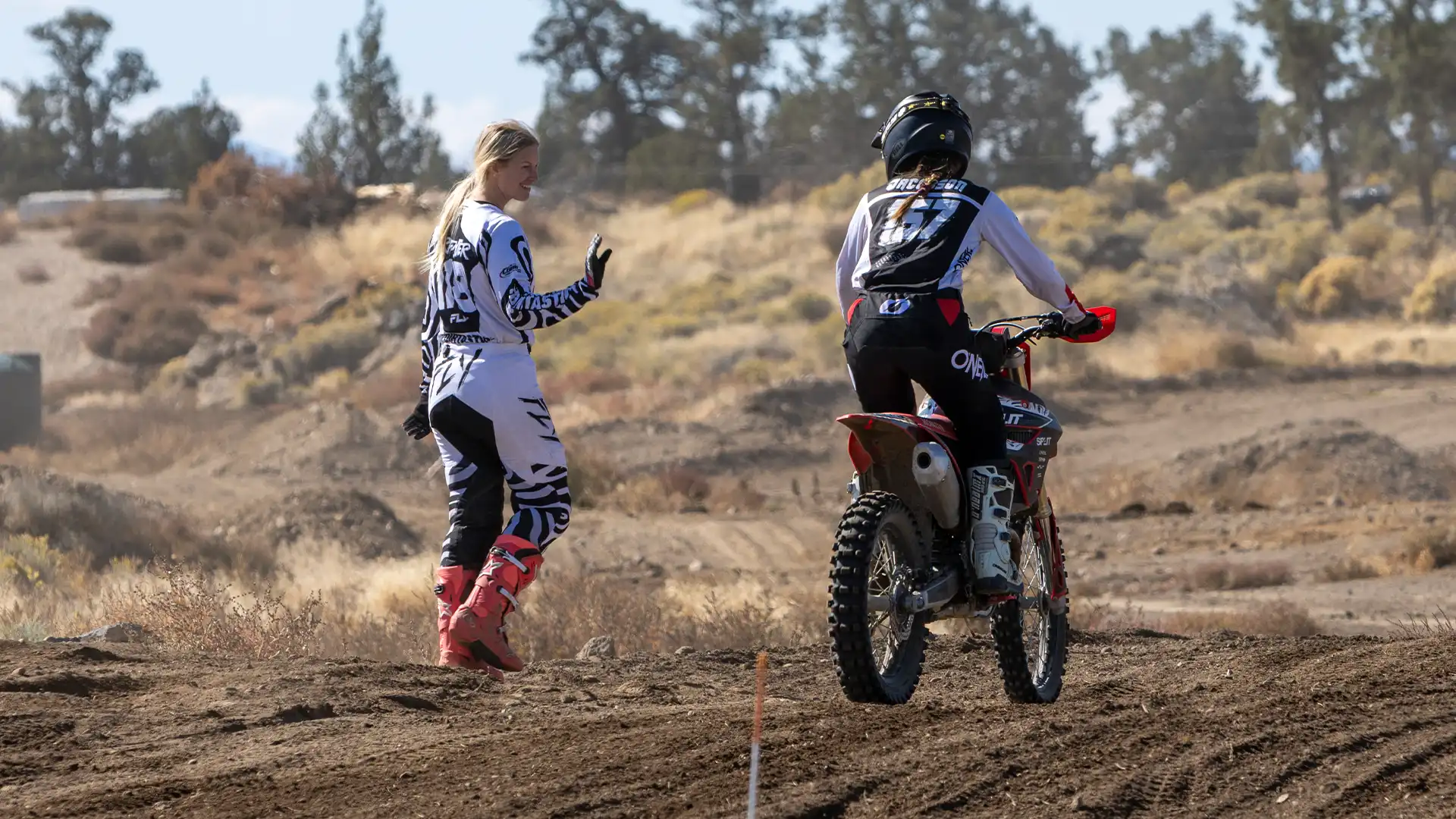
Nothing kills confidence faster than stalling your bike in front of a group. Whether you're at a stop sign or halfway up a hill, that sudden silence—followed by the frantic kick-starting—is a feeling every rider knows.
But here is the secret: Stalling isn't usually a mechanical problem. It's a coordination problem.
To fix it, we use a Dirtastic technique we call "Thrutching."
What is "Thrutching"?
"Thrutching" is exactly what it sounds like: The seamless coordination of Throttle + Clutch.
Many new riders treat these controls as separate steps: First I give it gas, then I let out the clutch. This jerky, two-step process is usually what causes the bike to lurch or stall. To ride smoothly, you have to think of your hands working together as one unit. As one hand releases (clutch), the other hand twists (throttle).
Step 1: Find Your "Bite Point"
Before you can Thrutch, you need to know exactly where your clutch engages.
- Start your bike and put it in 1st gear.
- Keep the throttle closed (no gas yet).
- Slowly release the clutch just until you feel the bike want to move forward.
- Stop here. This is your bite point. Pull the clutch back in.
Repeat this 10–15 times to build muscle memory.
Step 2: The "Thrutching" Drill
Now that you know where the bite point is, it's time to add the power. The goal here is to synchronize the throttle and clutch so power transfers smoothly to the rear wheel.
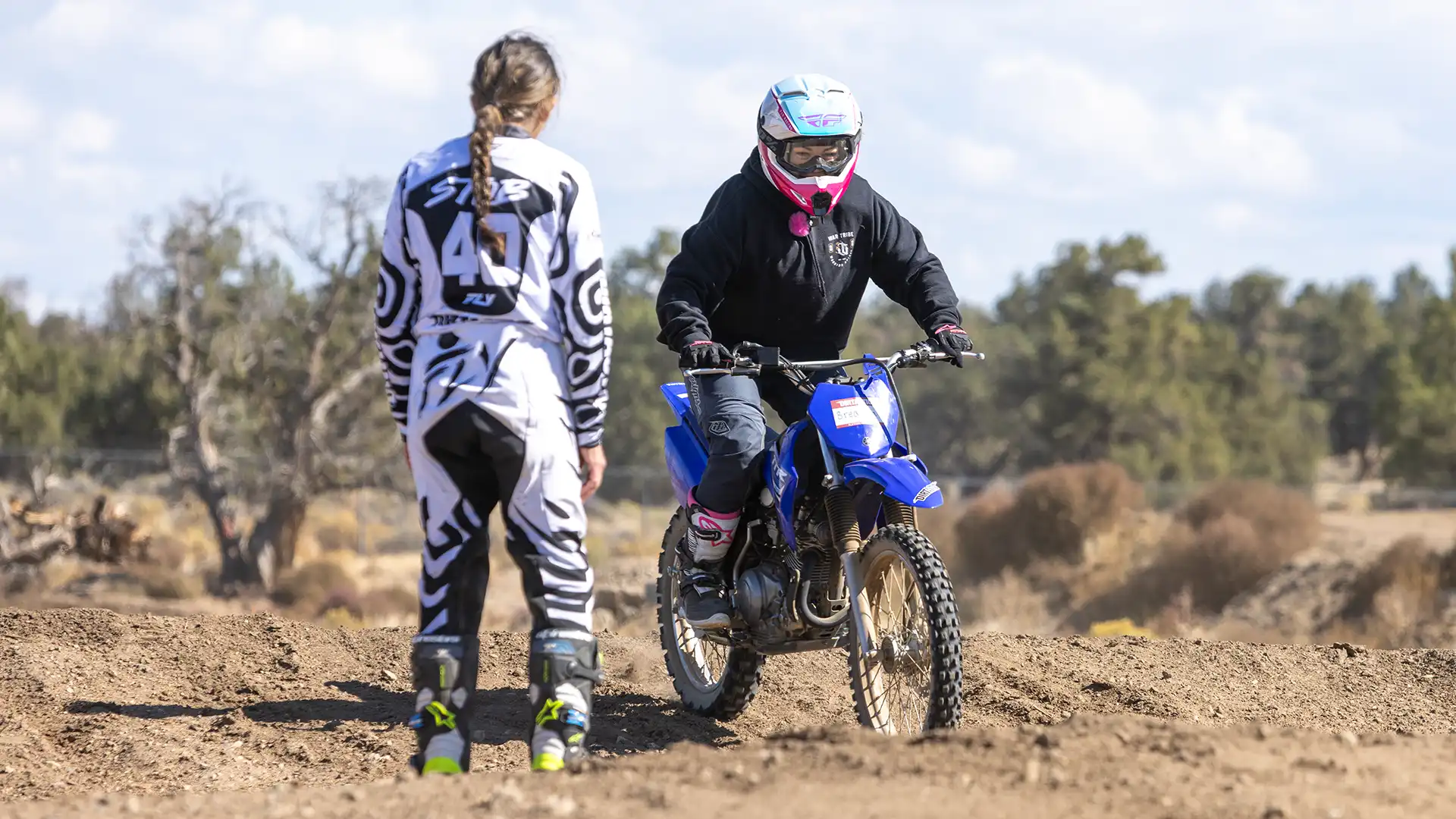
- Find a flat, open space with about 30 feet of runway.
- Start in 1st gear.
- As you release the clutch toward the bite point, simultaneously add a gentle, steady twist of the throttle.
- Ride for 30 feet, then come to a controlled stop.
Why This Matters on the Trail
"Thrutching" is the foundation for almost every technical skill: Hill Starts (prevents rolling backward), Corner Exits (smooth acceleration), and Technical Terrain (balance without speed).